Building a Consistent Yoga Routine: Tips from Sacred Stone Yoga Studio
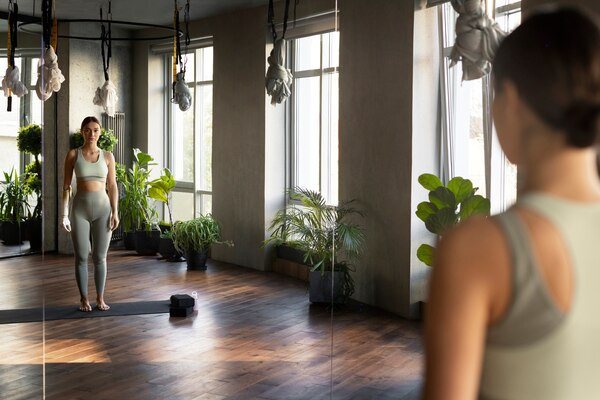
Building a consistent yoga routine isn’t about willpower alone; it’s about designing a practice that realistically fits your life, supports your body, and keeps you inspired over time. Drawing on the approach we use at Sacred Stone Yoga Studio, here are practical, grounded tips to help you create a routine you can truly sustain.
Start Smaller Than You Think
Many people begin with big ambitions—an hour a day, six times a week—and then quickly burn out. A more effective strategy is to start with a commitment you’re almost certain you can keep, even on a bad day.
- Begin with 10–20 minutes, 2–3 times a week.
- Choose set days and times (for example, Monday, Wednesday, Friday at 7:30 pm).
- Treat these times as appointments with yourself, not “optional extras.”
Once this feels natural, you can gradually increase the frequency or duration of your practice.
Define Your “Why”
Lasting routines are built on meaningful reasons, not vague goals like “I should stretch more.” Take a few minutes to clarify why yoga matters to you right now.
Common motivations we hear at Sacred Stone Yoga include:
- Managing stress or anxiety
- Reducing back or neck pain from desk work
- Rebuilding strength after injury or a sedentary period
- Improving sleep and emotional balance
- Creating space for self-care in a busy life
Write down your top 2–3 reasons and keep them visible—on a note by your mat or in your phone. When motivation dips, come back to these.
Match the Practice to Your Energy
Consistency doesn’t mean doing the same intense flow every day. It means showing up in a way that respects how you feel.
We encourage students to think in terms of three “energy zones”:
- Low energy: Choose gentle stretching, restorative poses, or a short guided relaxation. Even 5–10 minutes of legs-up-the-wall and mindful breathing counts.
- Medium energy: A steady, moderate flow focusing on mobility and breath.
- High energy: Stronger sequences with standing poses, balances, and core work.
Instead of deciding “I will do a 60-minute power class,” decide “I will do some yoga every Monday, Wednesday, and Saturday, choosing intensity based on how I feel.” This flexible structure helps you maintain the habit without forcing your body.
Create a Simple Home Setup
You don’t need a full studio at home, but a dedicated, welcoming corner makes a big difference.
Aim for:
- A mat that lives in one place (or is easy to unroll)
- A couple of props: blocks (or sturdy books), a strap (or belt), a cushion, and a blanket
- Soft, non-distracting lighting
- Your phone on “Do Not Disturb” during practice
When your space is ready, there’s less friction between you and your mat, which makes it easier to start—especially on low-motivation days.
Use Classes Strategically
If you practice with us or another studio, think of classes as anchors for your week.
For example:
- One in-studio class for community, alignment help, and inspiration
- One online or recorded class you follow along with at home
- One short, self-guided session you create for yourself
This combination builds confidence: the studio supports your learning, and your home sessions make the practice part of your daily life, not just something that happens once a week in a class.
Build a Personal “Go-To” Sequence
A simple, familiar sequence removes decision fatigue and gives you something to rely on when you’re tired or short on time.
A basic 10–15-minute go-to session might include:
- 1–2 minutes of seated breathing
- 3–5 rounds of Cat–Cow
- A few rounds of Downward Dog with gentle pedaling of the feet
- Low lunges on each side
- A gentle twist and forward fold
- 1–3 minutes of rest in Savasana
As you grow, you can adapt this simple structure to be more energizing or more calming, but having a “default” routine keeps you from skipping practice just because you don’t know what to do.
Respect Your Body’s Signals
At Sacred Stone Yoga, we emphasize consistency through kindness, not force. Sustainable practice means listening to your body:
- Pain (sharp, pinching, or sudden) is a signal to back off or modify.
- Discomfort from effort (muscles working, heat building) can be healthy, as long as breath stays smooth.
- Regularly scan: “Can I breathe fully? Can I soften my jaw and shoulders?”
Use props generously; they aren’t a sign of weakness but tools for alignment, safety, and deeper release.
Work With Your Natural Rhythms
Instead of battling your schedule, collaborate with it.
- If mornings are quiet and uninterrupted, try a short wake-up flow after you get out of bed.
- If evenings help you unwind, make yoga your transition between work and rest.
- Attach your practice to an existing habit: after brushing your teeth, after putting kids to bed, or right after you switch off your work laptop.
When yoga is linked to something you already do every day, it becomes automatic more quickly.
Set Realistic Expectations
Progress in yoga is rarely linear. Some weeks your balance improves; other weeks your body feels stiff and heavy. This is normal.
Ground yourself in these ideas:
- Consistency matters more than intensity.
- It’s fine to have “lighter” weeks as long as you keep showing up.
- Flexibility, strength, and calm develop over months and years, not days.
Viewing yoga as a lifelong practice—not a 30-day challenge—reduces pressure and prevents frustration.
Use Your Breath as the Thread
Your breath is the simplest way to deepen your practice without changing a single pose.
Try:
- Extending your exhale slightly longer than your inhale to calm your nervous system.
- Matching movement to breath (one movement per inhale or exhale) to build focus.
- Taking 3–5 conscious breaths before and after each practice to mark the beginning and end.
When you don’t have time or energy for a full session, a few minutes of focused breathing can still keep your “yoga muscle” engaged.
Track Your Practice Gently
Some students find that light tracking helps them stay committed.
Options include:
- Marking practice days on a calendar
- Writing one sentence in a notebook: “20 minutes, felt more relaxed afterward”
- Using a simple note on your phone with dates and durations
Focus more on how you feel—physically, mentally, emotionally—than on how many poses you did. This reinforces the deeper benefits of your routine beyond flexibility or strength.
Honor Rest and Recovery
A consistent routine includes rest. Over-practicing can lead to fatigue or injury, which interrupts consistency more than taking a planned gentle day ever will.
We often recommend:
- 1–2 days per week of very gentle or restorative practice
- Short, soothing sessions during stressful periods rather than forcing strong flows
- Occasional longer, nourishing practices (like a restorative class or yin session) to reset the system
Think of rest days as part of your practice, not breaks from it.
Stay Connected to Community
Practicing with others can keep you inspired when your motivation dips.
Ways to lean on community:
- Commit to a weekly class with a teacher who knows your name and body
- Join short challenges or themed series offered by your studio
- Practice with a friend once a week, either in person or online
- Share your goals with a teacher so they can support and guide you
Community offers accountability, encouragement, and the reminder that you don’t have to build your routine alone.
Allow Your Practice to Evolve
As your life changes, your routine should adapt. You might have seasons of stronger, more frequent practice and seasons where gentler, shorter sessions serve you better.
Periodically ask yourself:
- Does my current routine match my energy, schedule, and needs?
- What feels nourishing right now—more strength, more rest, more grounding?
- Is there one small change that would make my practice easier to maintain?
Giving yourself permission to adjust keeps your yoga alive, relevant, and sustainable.
In the end, a consistent yoga routine is less about perfection and more about returning—again and again—to your mat, your breath, and your body with curiosity and care. With realistic planning, supportive structures, and a compassionate attitude, your practice can become a steady, grounding presence in your everyday life.